
Sino-Swedish Sustainable Low-Carbon Value Chain Forum & 3rd International Action Initiative of Life Cycle Thinking Conference Successfully Held in Beijing
 On 8 December 2025, the Sino–Swedish Sustainable Low-Carbon Value Chain Forum and the 3rd International Action Initiative of Life Cycle Thinking (LCT) Conference, jointly hosted by the Embassy of Sweden in China and the IVL Swedish Environmental Research Institute, was successfully held in Beijing. As one of the key events marking the 75th anniversary of China–Sweden diplomatic relations, the conference brought together representatives from government agencies, international organizations, research institutions, industry associations, and leading enterprises from both countries. Participants engaged in in-depth exchanges and practical discussions on sustainable value-chain development amid the global green transition, the deepened application of life cycle thinking, and emerging directions for China–Europe cooperation. The conference focused on the profound impacts of global “green” and “dual-carbon” regulatory frameworks on industrial and supply-chain transformation, as well as the transition pathways shaped by these goals. It also highlighted the latest achievements across institutions in green innovation, environmental governance, digital tool development, and standards capacity building—jointly advancing the growing trend of promoting high-quality, low-carbon development through life cycle thinking.
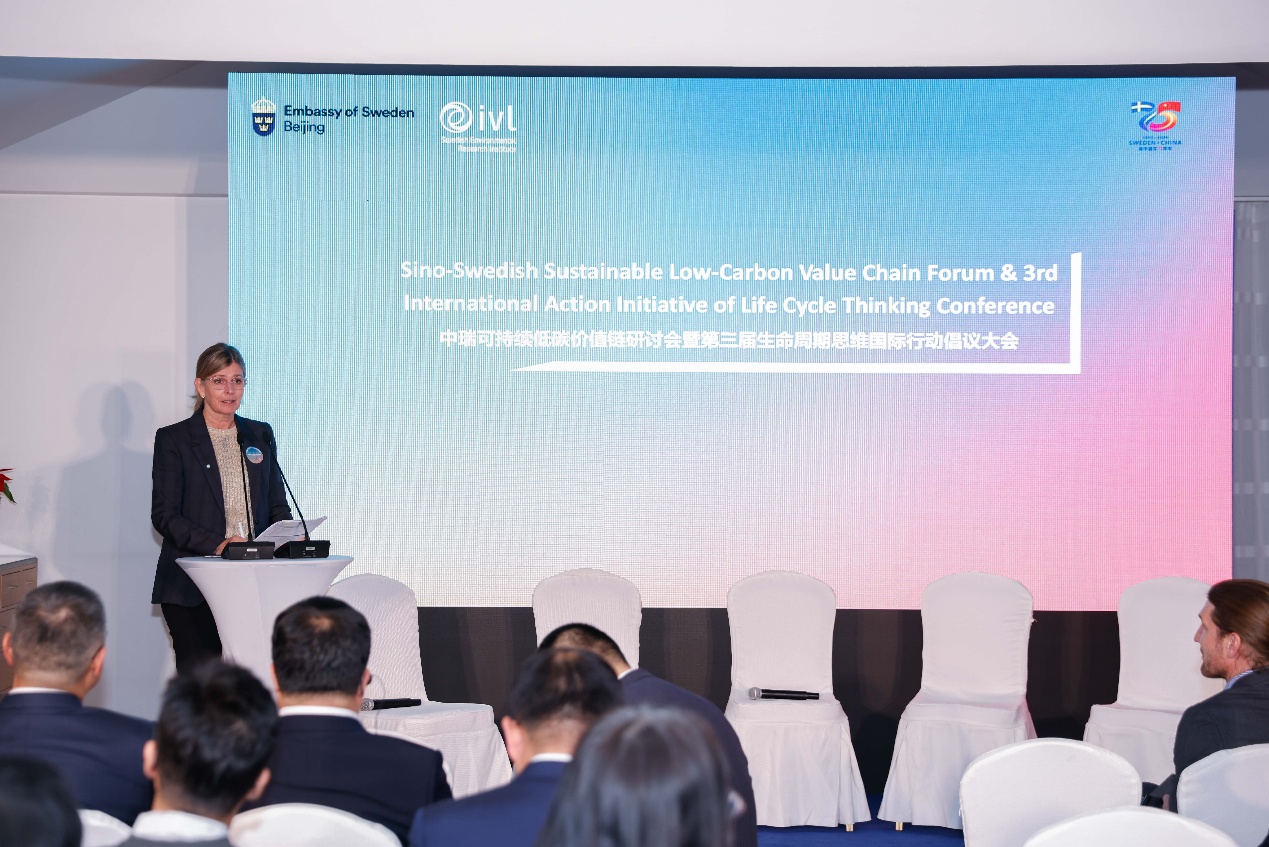
The conference was moderated by Stina Hinderson, Head of the CSR Centre, Embassy of Sweden in Beijing.
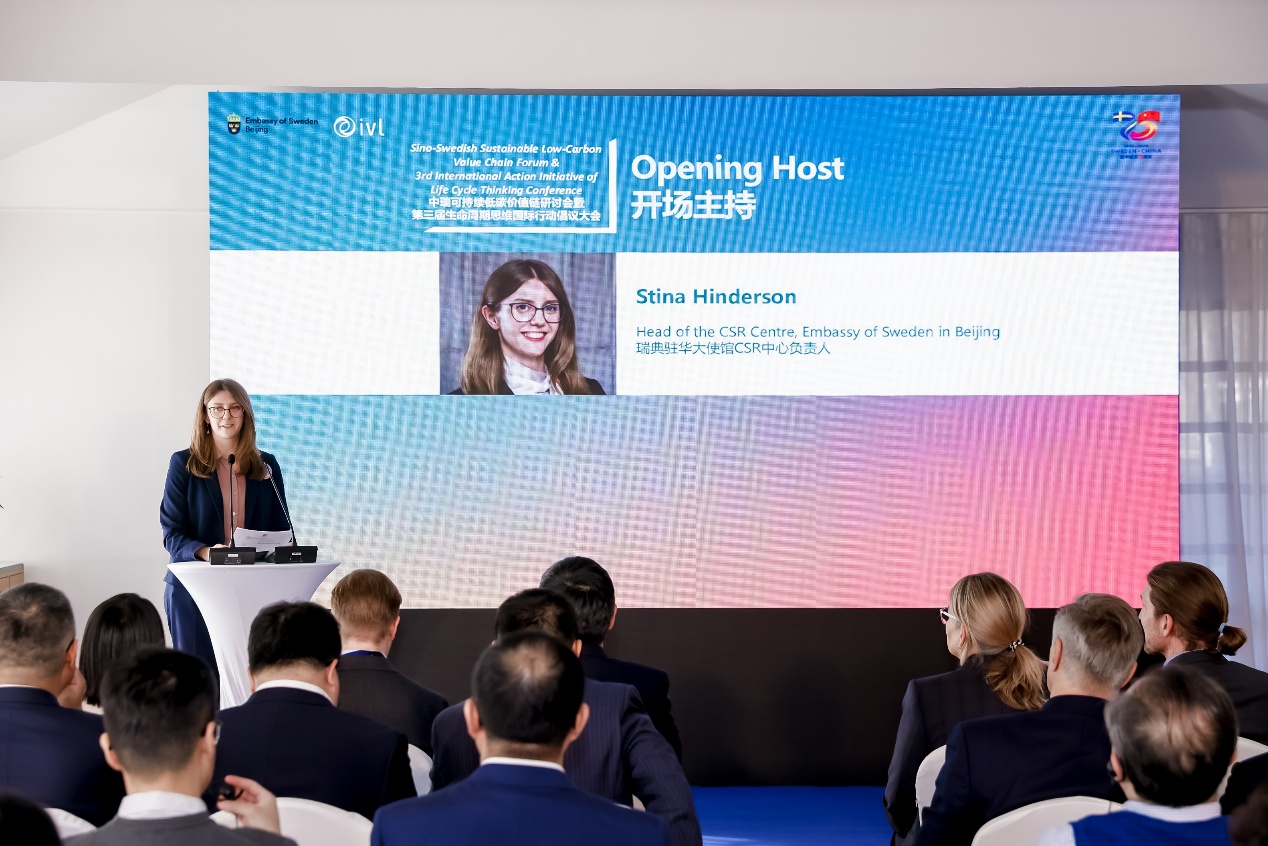
Stina Hinderson, Head of the CSR Centre
During the opening session, Dai Gang, Director General of the Department of International Cooperation at China’s Ministry of Science and Technology, and Daniel Ekström, Counsellor for Science and Innovation at the Embassy of Sweden in China, delivered keynote welcome remarks. Both emphasized the high complementarity between China and Sweden in green technology, industrial decarbonization, and environmental data governance, and called for strengthened policy dialogue, scientific collaboration, and industrial cooperation to jointly contribute to global climate governance.
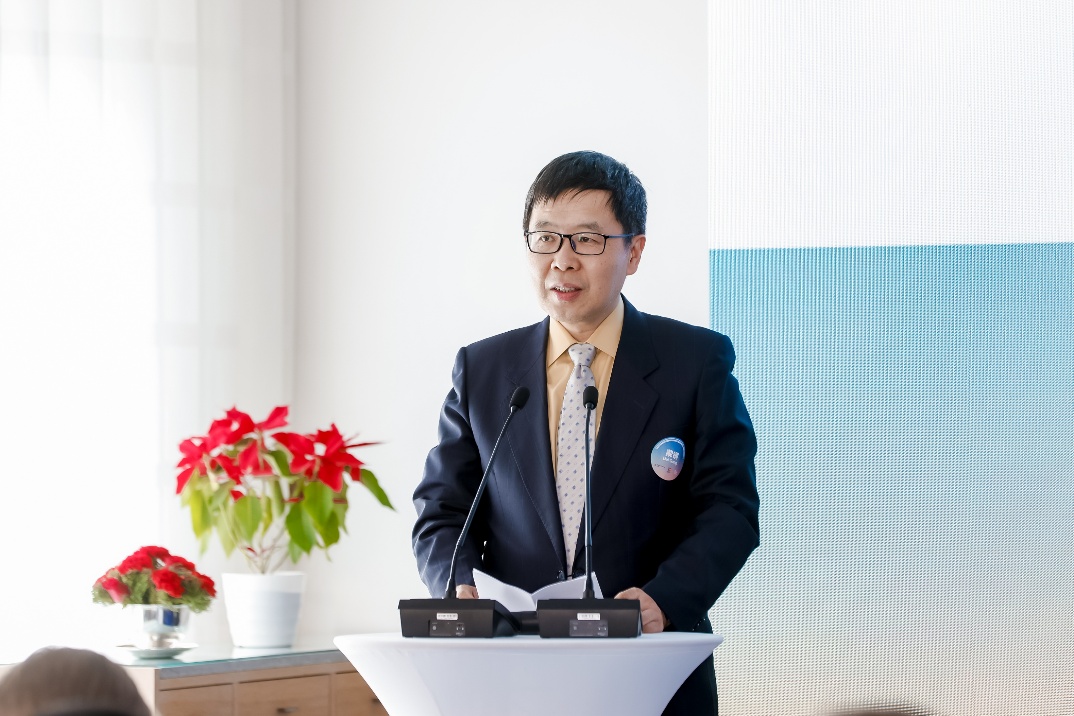
Dai Gang, Director General of the Department of International Cooperation at China’s Ministry of Science and Technology
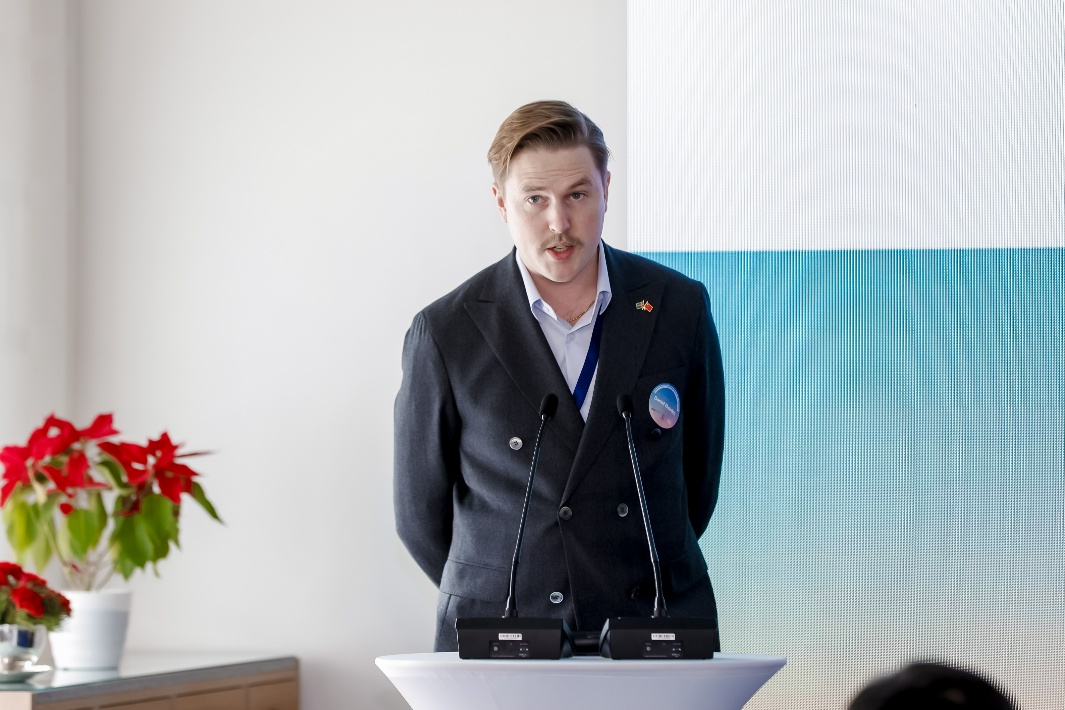
Daniel Ekström, Counsellor for Science and Innovation at the Embassy of Sweden in China
One of the highlights was the speech by Per Augustsson, Ambassador of Sweden to China and Mongolia. The Ambassador highlighted Sweden’s long-standing leadership in sustainability, noting that “Swedish people are champions of recycling—99% of household waste is recovered as materials, nutrients, or energy,” and that national emissions have been reduced by more than half since their peak in the 1970s. He emphasized that the green transition is a shared priority that unites Sweden and China, calling for deeper collaboration in this area. “Partnerships and global cooperation are vital to achieving the goals of the Paris Agreement and turning our net-zero ambitions into reality,” he said, underscoring the strong complementarity between the two countries in renewable energy, circular economy, and life cycle–based approaches.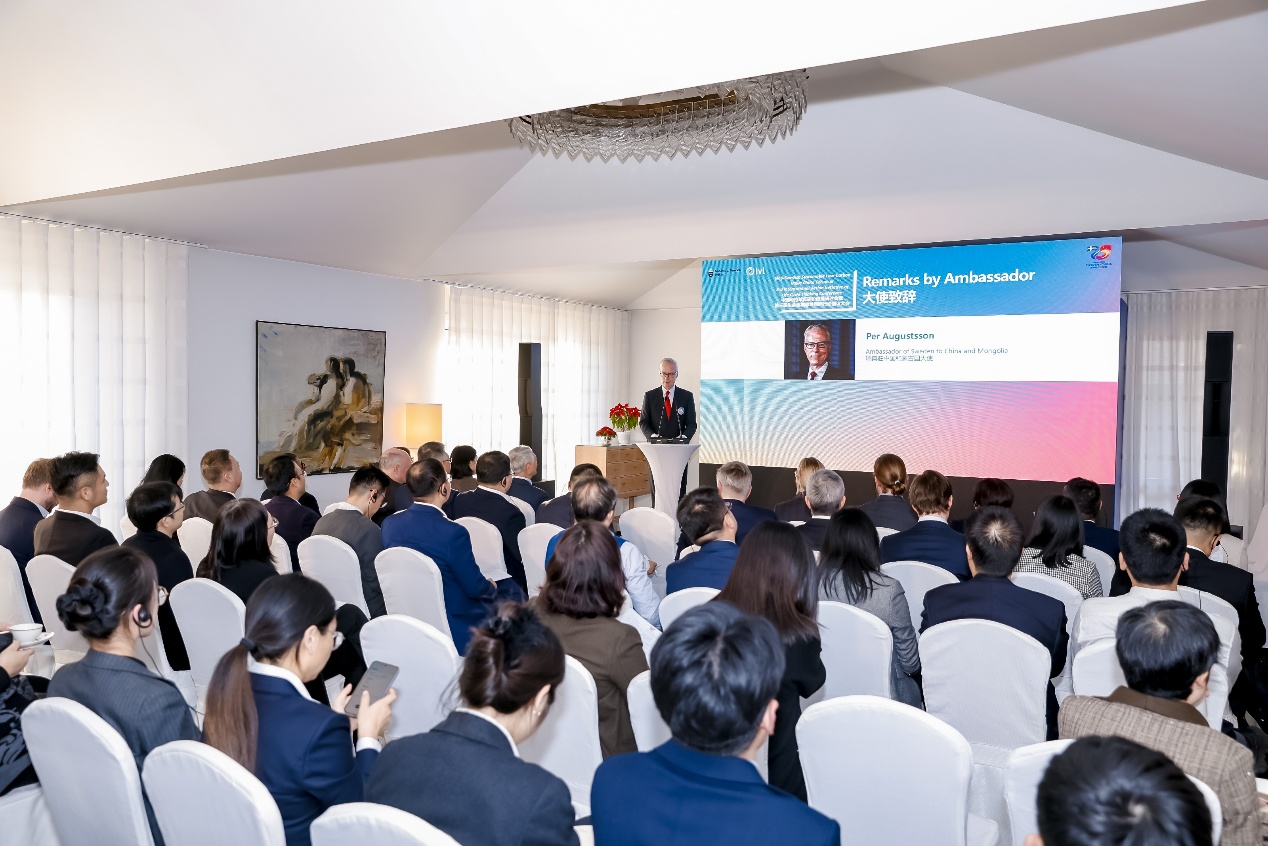
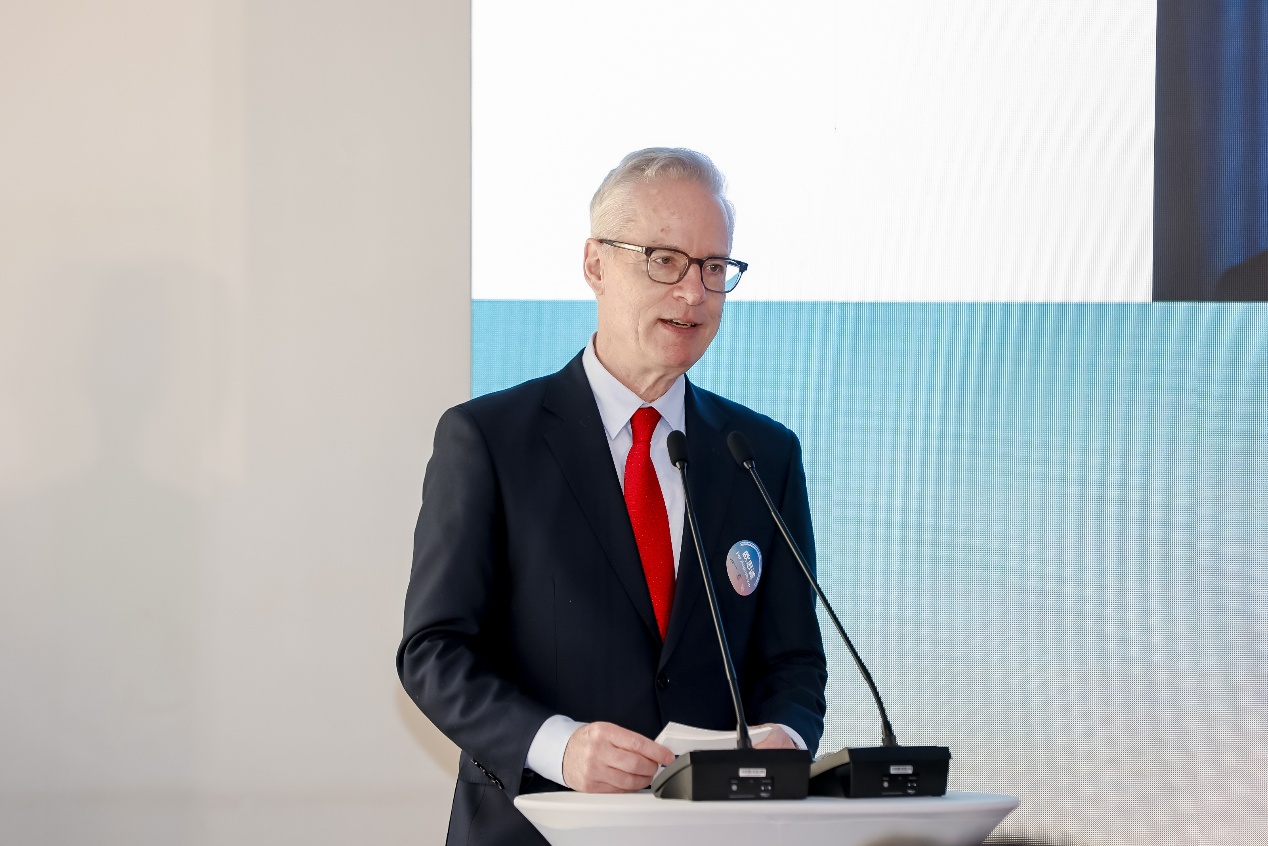
Per Augustsson, Ambassador of Sweden to China and Mongolia
He emphasized that in today’s internationalized supply chains, credible environmental data is essential for governments, enterprises, and consumers to make informed decisions—an area where China and Sweden are strongly complementary. Sweden, he noted, is ready to deepen cooperation with China in fields such as life cycle assessment (LCA), renewable energy, circular economy, low-carbon industrial transformation, and digital green tools, jointly contributing forward-looking “bilateral green solutions” to global climate governance and sustainable value-chain development.
The conference then featured keynote speeches by leading experts. Anna Söderholm, Executive Vice President of IVL, shared insights on new cooperation opportunities based on Sweden’s decarbonization experience. She highlighted Sweden’s unique development path—GDP nearly doubled while emissions fell by 33%—driven by strong carbon pricing, waste-to-energy systems, district heating, and long-term policy consistency. She noted that China and Sweden are highly complementary in green industrial upgrading, renewable energy technologies, life cycle standards, and EPD tool development. Zhang Mengheng, Chief Engineer of the Chinese Research Academy of Environmental Sciences, provided a comprehensive analysis of China’s progress and next-step priorities in its green and low-carbon transition under the “1+N” policy framework.
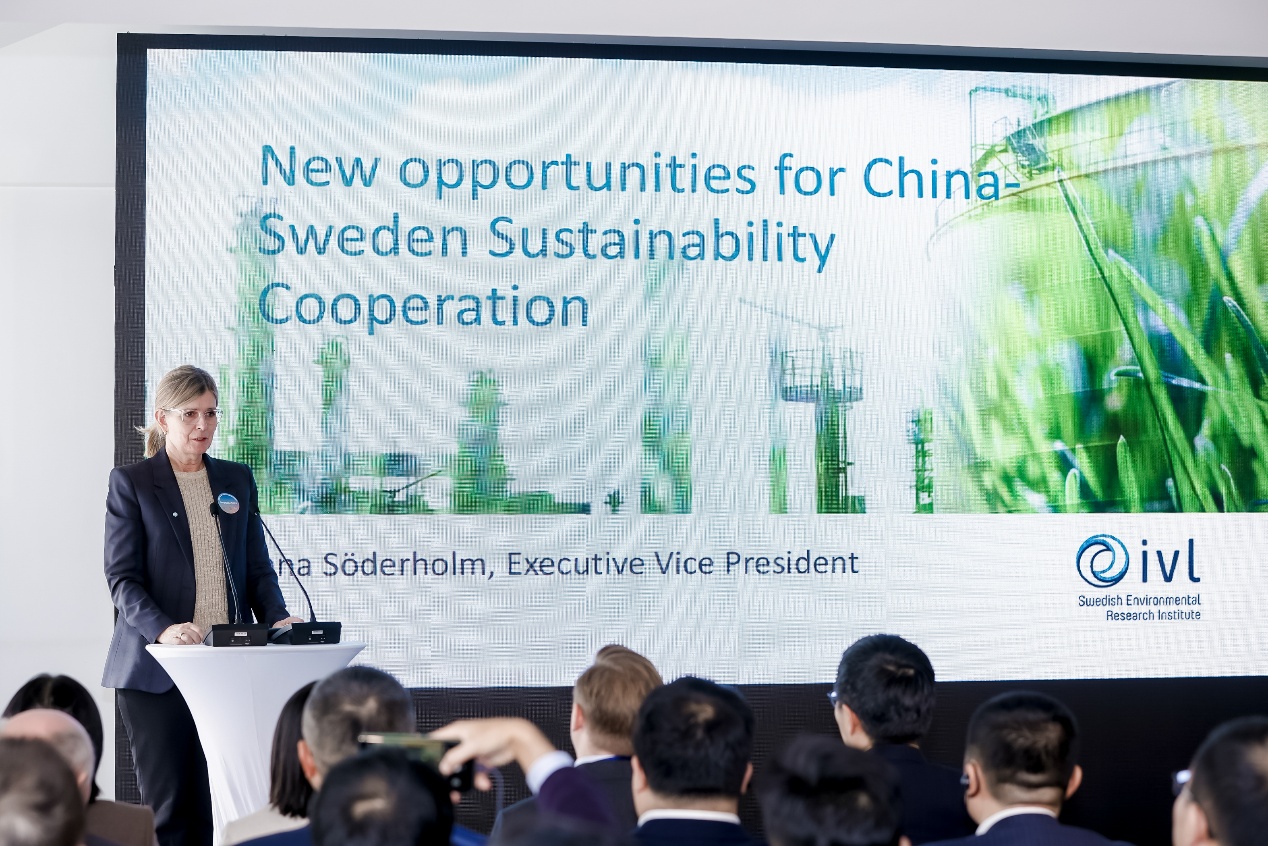
Anna Söderholm, Executive Vice President of IVL
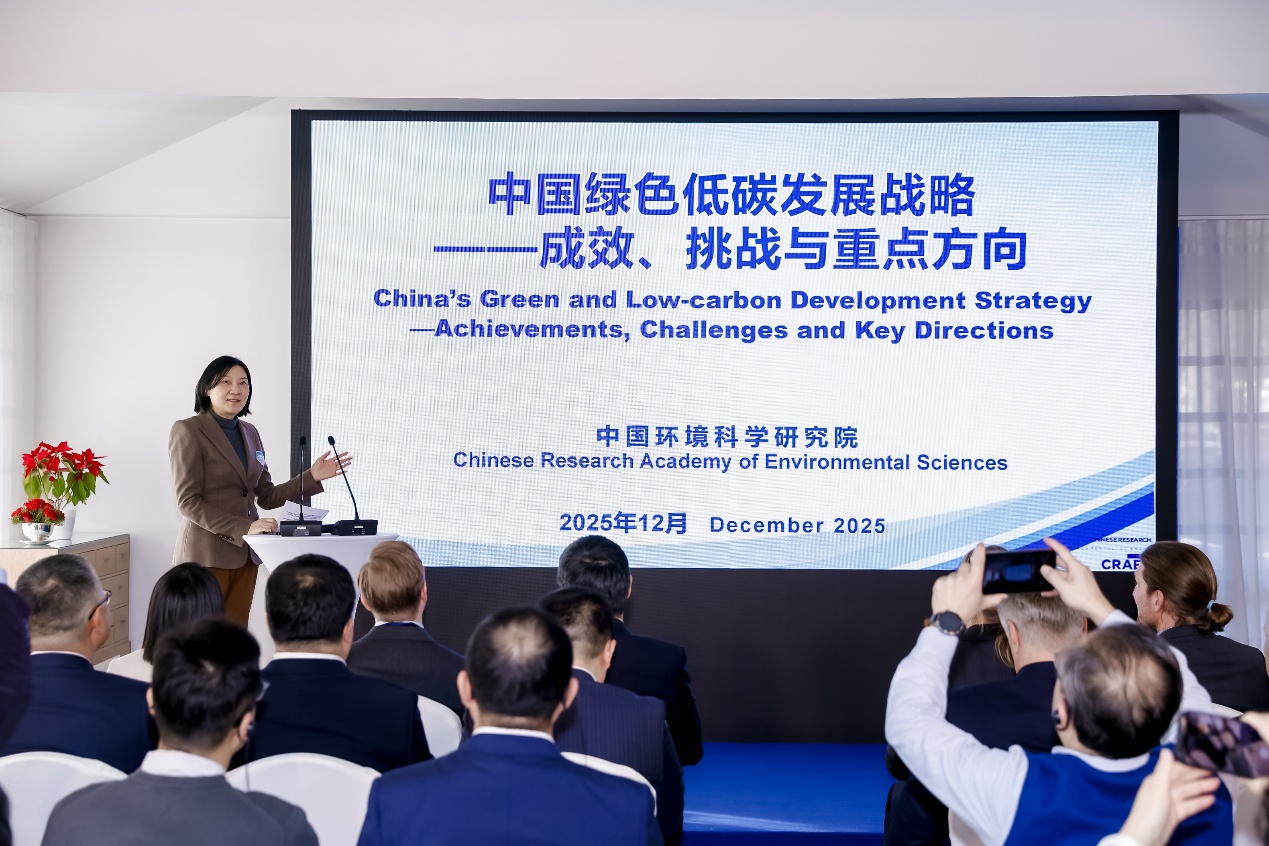
Zhang Mengheng, Chief Engineer of the Chinese Research Academy of Environmental Sciences,
Sebastiaan Stiller, CEO of the International EPD System, emphasized in his speech “EPDs as Gateways to Global Trade” that EPDs have become a new threshold for global market competition. He highlighted that more than 18,000 EPDs have been published worldwide, with China’s EPD volume rapidly rising to nearly 400, expanding across steel, non-ferrous metals, automotive, electronics, and other sectors. EPDs are increasingly serving as an effective “passport” for Chinese products entering global markets. Nannan Lundin, Chief Analyst at VINNOVA, presented Sweden’s system innovation framework for net-zero transition, explaining that Sweden invests roughly SEK 3.1 billion annually in complex societal and technological innovation challenges, and has launched five national Impact Innovation programs covering metals & minerals, net-zero industries, smart water systems, governance innovation, and transport transformation.
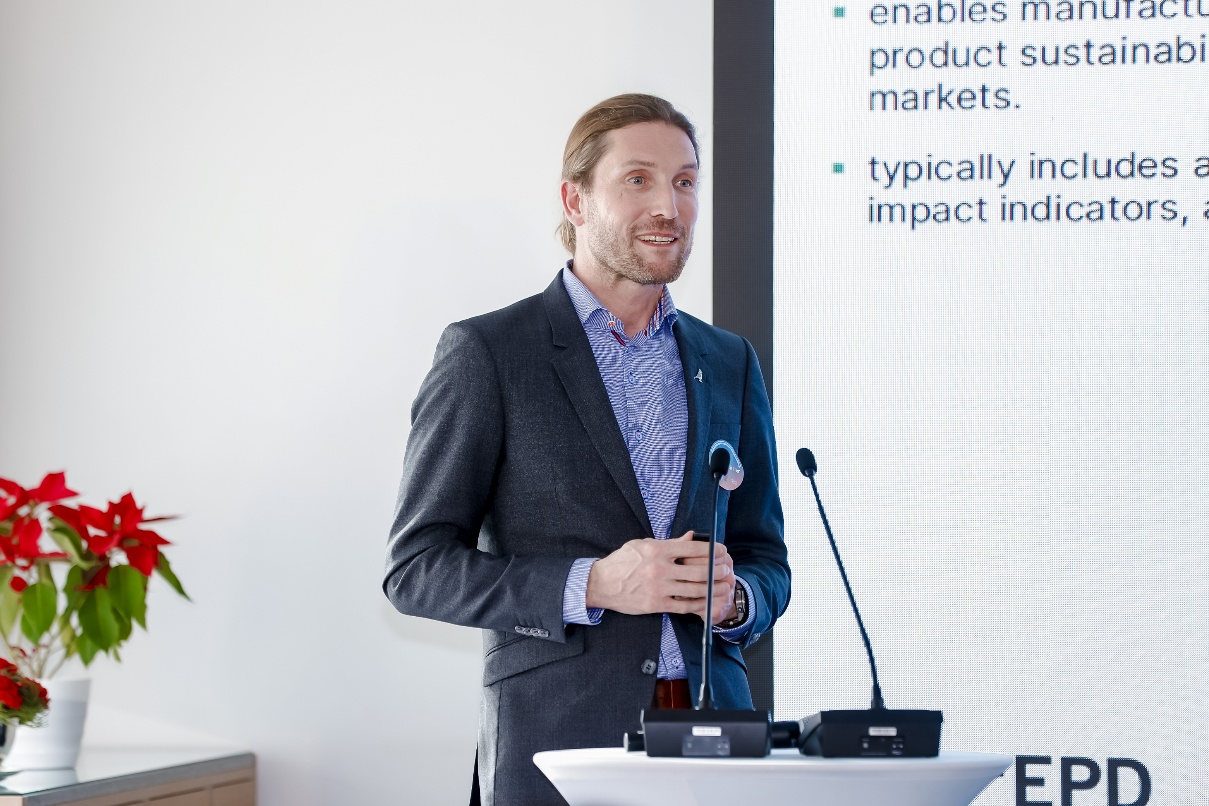
Sebastiaan Stiller, CEO of the International EPD System
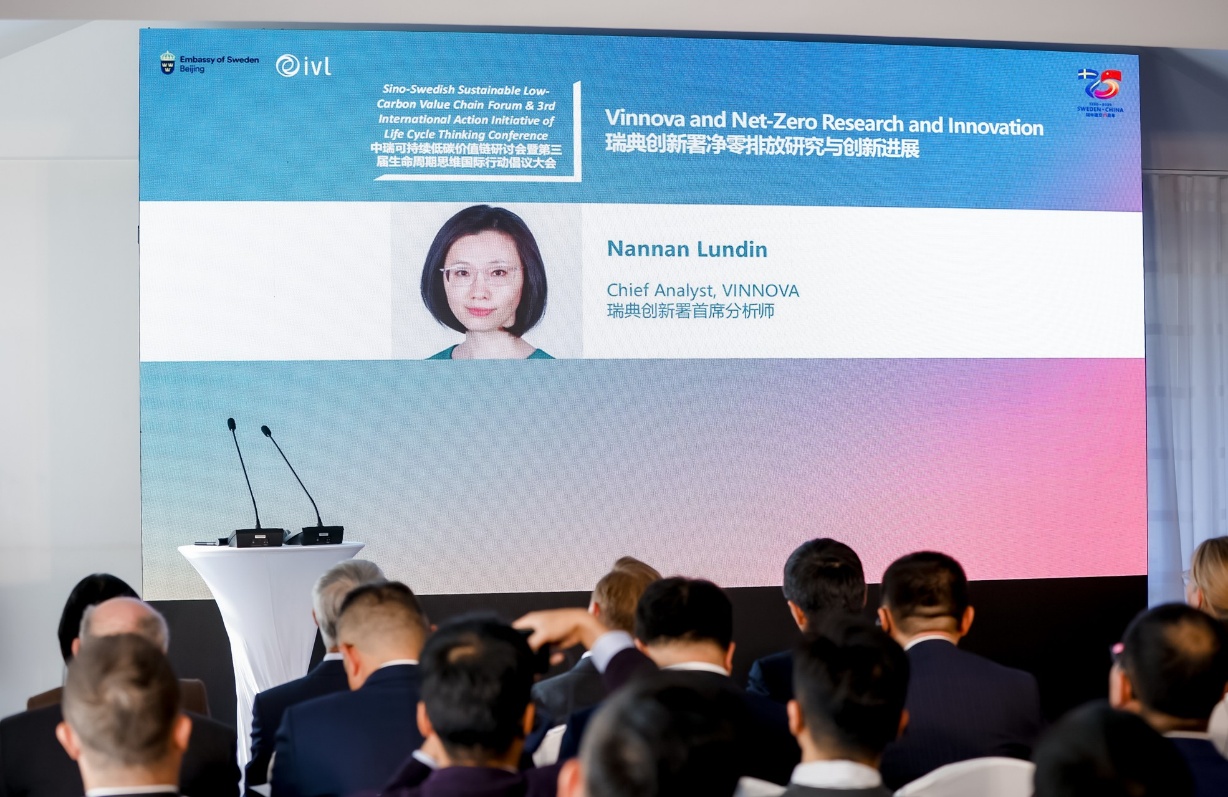
Nannan Lundin, Chief Analyst at VINNOVA,
Professor Chen Deliang, Distinguished Chair Professor at Tsinghua University, Fellow of the Royal Swedish Academy of Sciences and Foreign Member of the Chinese Academy of Sciences, stressed that the next decade will be the decisive window for global decarbonization. Electrification, technological innovation, and governance upgrades will jointly determine whether the 1.5°C pathway remains achievable. Llorenç Milà i Canals, Secretary-General of the UNEP Life Cycle Initiative (LCI), introduced the importance of “credible LCA in policy” from the perspective of global governance and policy alignment, emphasizing unified standards, consistent system boundaries, whole-life-cycle coverage, and transparent review mechanisms.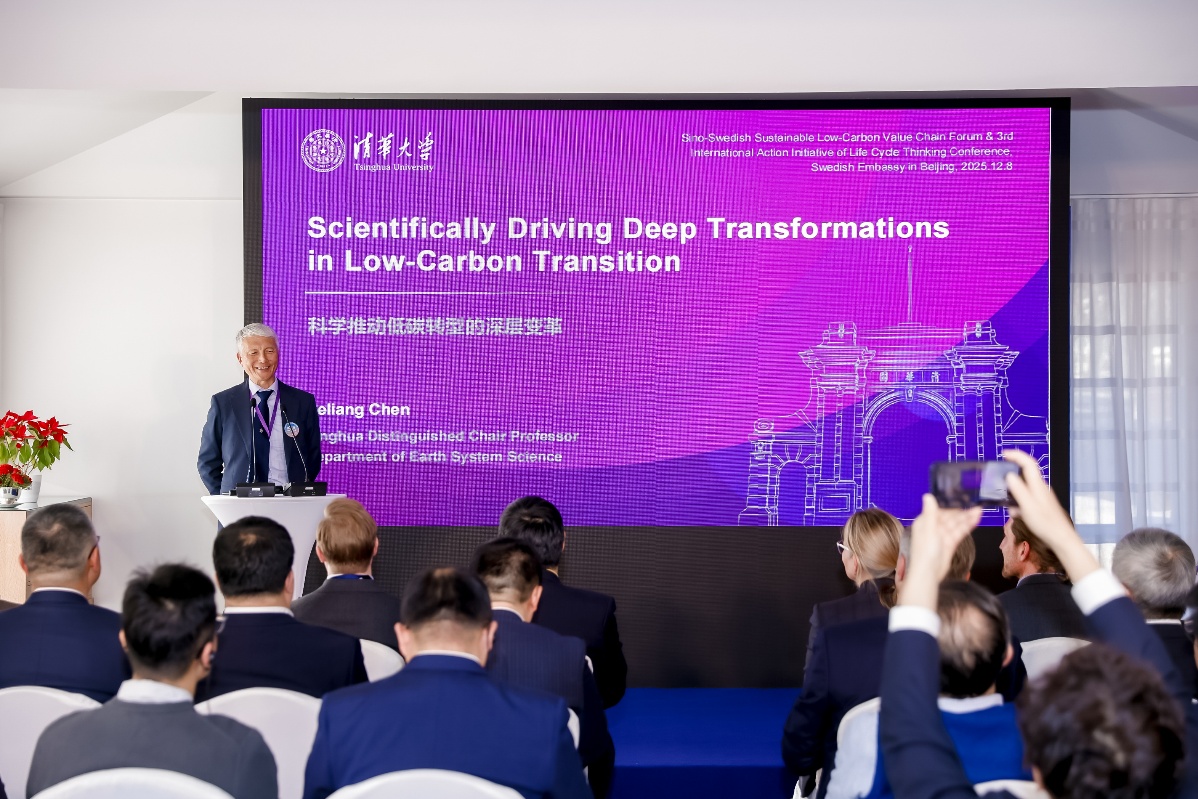
Professor Chen Deliang
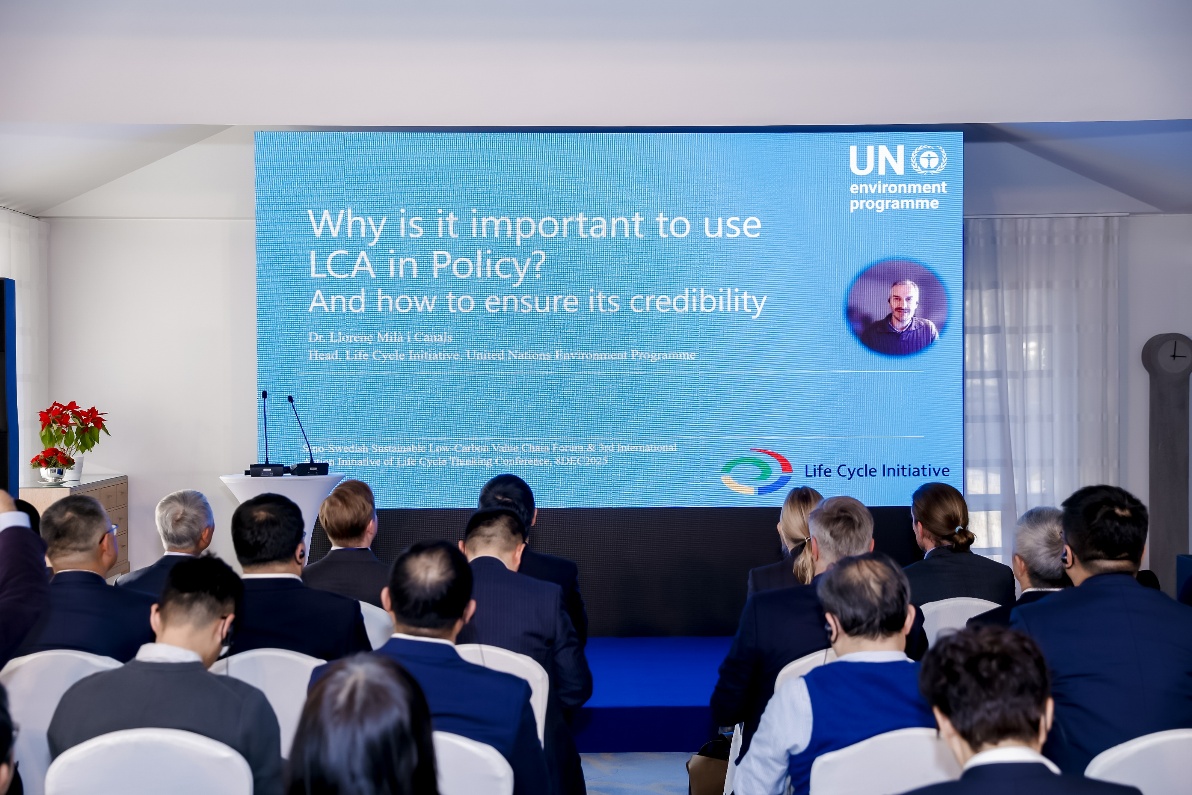
Llorenç Milà i Canals, Secretary-General of the UNEP Life Cycle Initiative
Three panel discussions explored policy, industrial development, and digitalization:
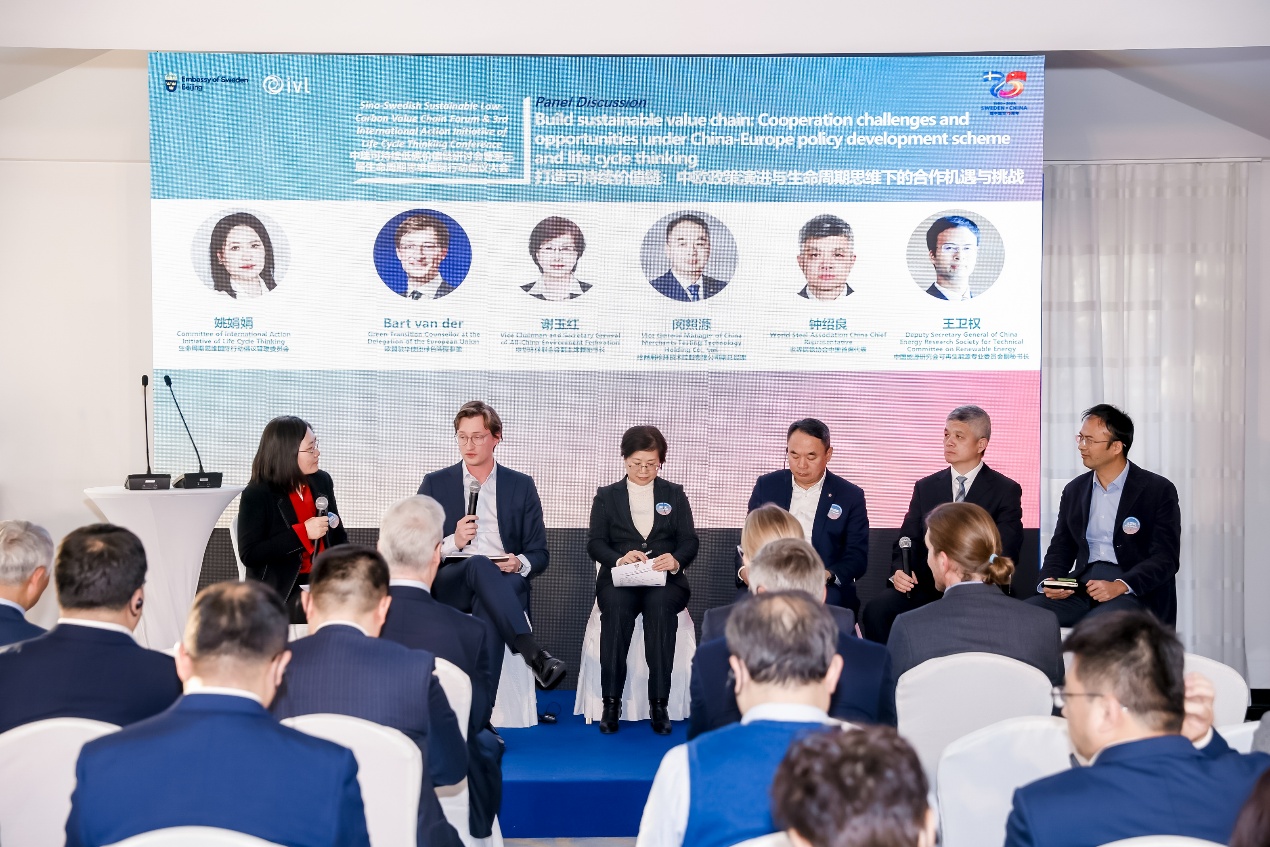
- Building Sustainable Value Chains: Experts from the Delegation of the European Union to China, the All-China Environment Federation, the World Steel Association, China Merchants Testing Vehicle Technology Research Institute Co., Ltd, IVL, and the China Energy Research Society discussed China–Europe policy convergence, supply-chain decarbonization, and corporate competitiveness, engaging in in-depth exchanges on cross-industry collaboration, low-carbon supply-chain governance, and sharing practical experience
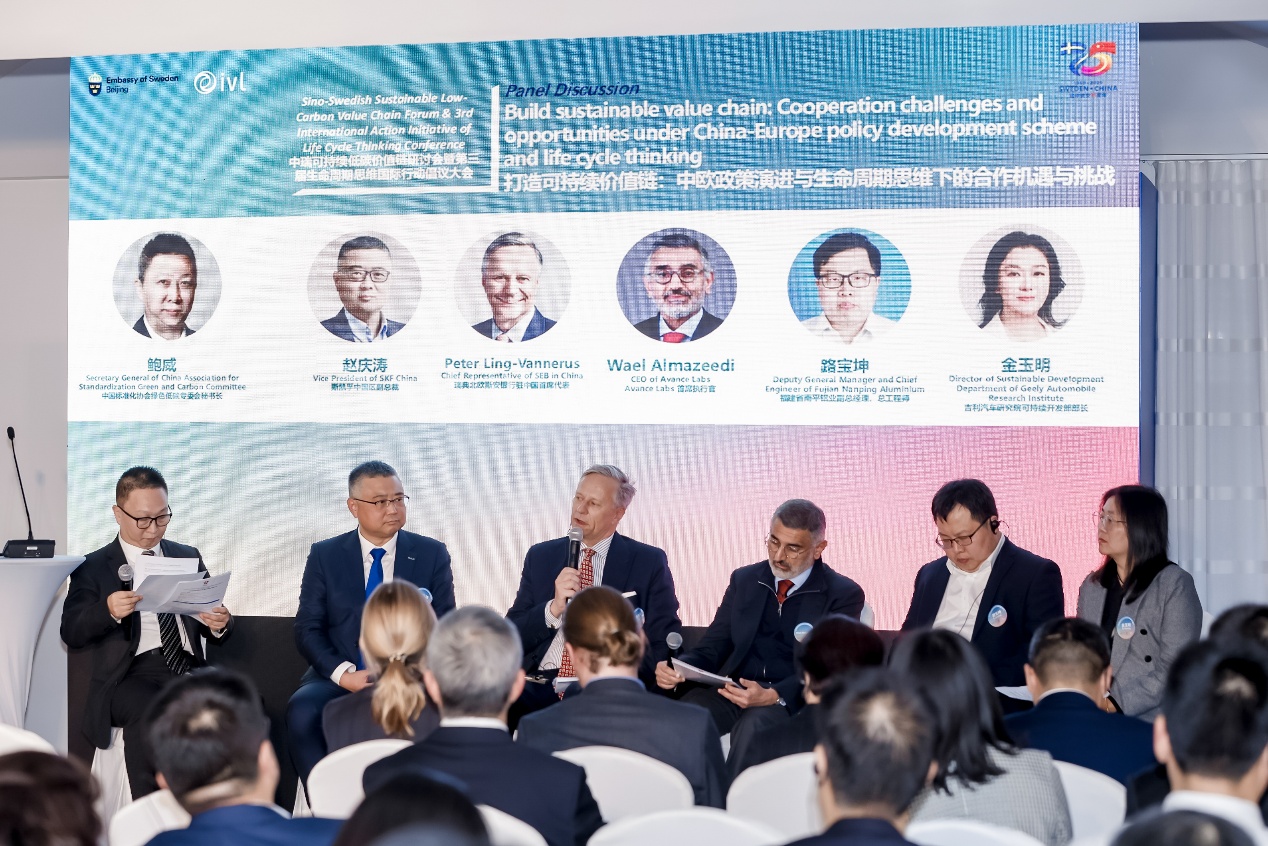
- Sino–Swedish Sustainable Development and Industrial Low-Carbon Cooperation: Representatives from CAS, SKF, Geely Automobile, SEB, Avance Labs, and Fujian Nanping Aluminium exchanged insights on industrial decarbonization, green supply-chain innovation, and synergies between industry and green finance.
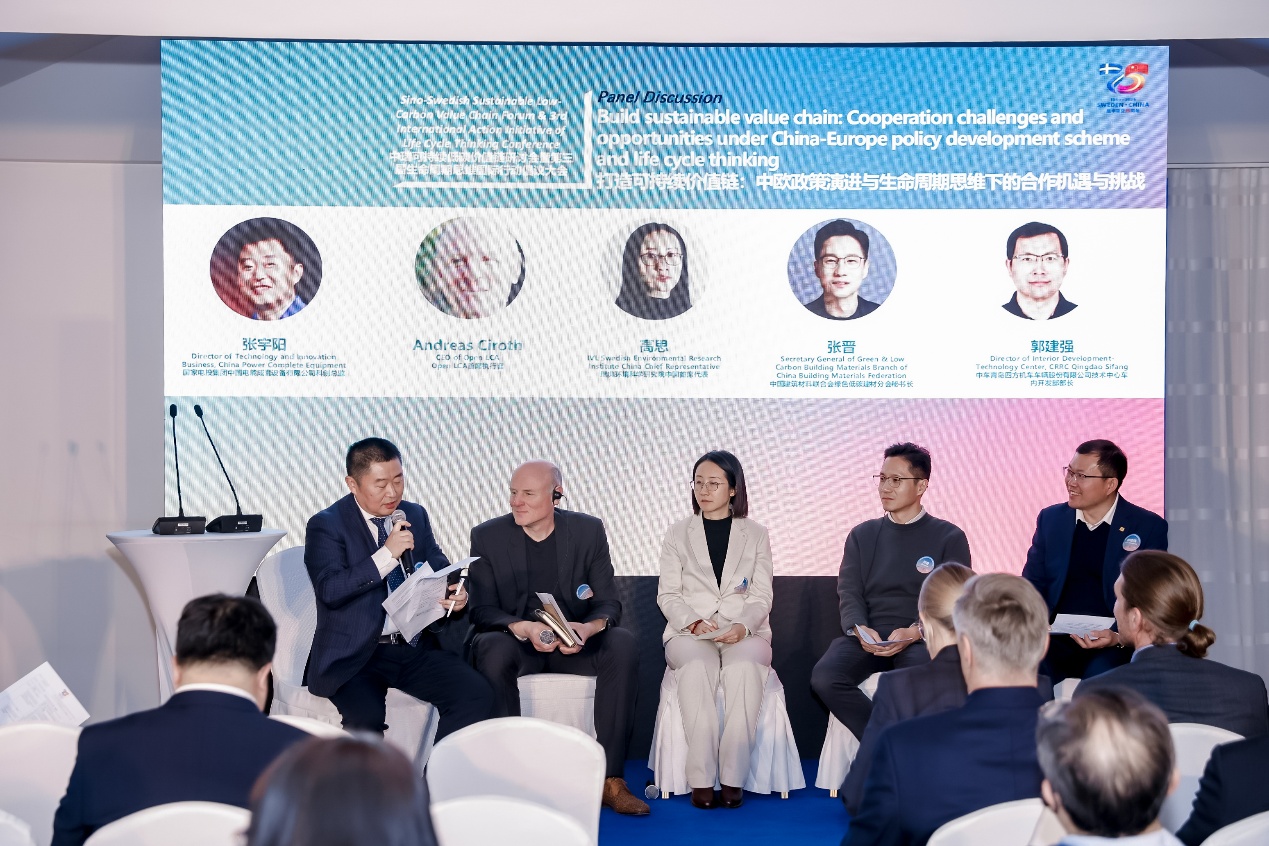
- Digitalization Driving a Green Future: Participants from OpenLCA, China Power Complete Equipment, CRRC Qingdao Sifang, and the China Building Materials Federation provided forward-looking views on environmental big data, life cycle databases, digital EPD tools, and new pathways for China–Europe data cooperation.
Concluding remarks by Executive Vice President Anna
As a global leader in environmental research, IVL is committed to advancing sustainable development through scientific excellence and technological innovation. The successful holding of this conference highlighted IVL’s strong capabilities in LCA, environmental data tools, green supply-chain governance, and international cooperation platform-building. IVL will continue deepening collaboration with Chinese government agencies, research institutions, industry organizations, and enterprises, advancing systematic cooperation on LCA and EPDs, environmental data governance, green industrial transformation, renewable energy, and digital environmental tools—jointly contributing to a more open, transparent, green, and efficient global sustainable value-chain system.